
Severe Weather Plan: Tornado, Flood and Storm Season
Plan for tornadoes, flash floods and thunderstorms: alerts, a shelter spot, go-time rules for the family, and an insurance and photo inventory.
By Randall R. Russell, USMC Veteran
Health note: This is general information, not medical advice. Follow product labels and your doctor or pharmacist.
Nobody gets to pick their weather. Tornadoes, flash floods and hard thunderstorms can all come through, sometimes in the same week. A plan written on a calm afternoon is the one that holds when the sirens go off at night.
This page walks you through it: the alerts, your shelter spot, what to do before, during and after, the insurance and photo inventory, and what to buy before the season. The free printable at the bottom has every worksheet with lines to write on.
"God is our refuge and strength, a very present help in trouble." ~ Psalm 46:1 (KJV)
Step 1: Know Your Risk and Get the Alerts
Ready.gov says the Midwest and the Southeast have a greater risk for tornadoes, and that floods are the most common disaster in the United States. Thunderstorms can happen year-round and at any hour in most places.
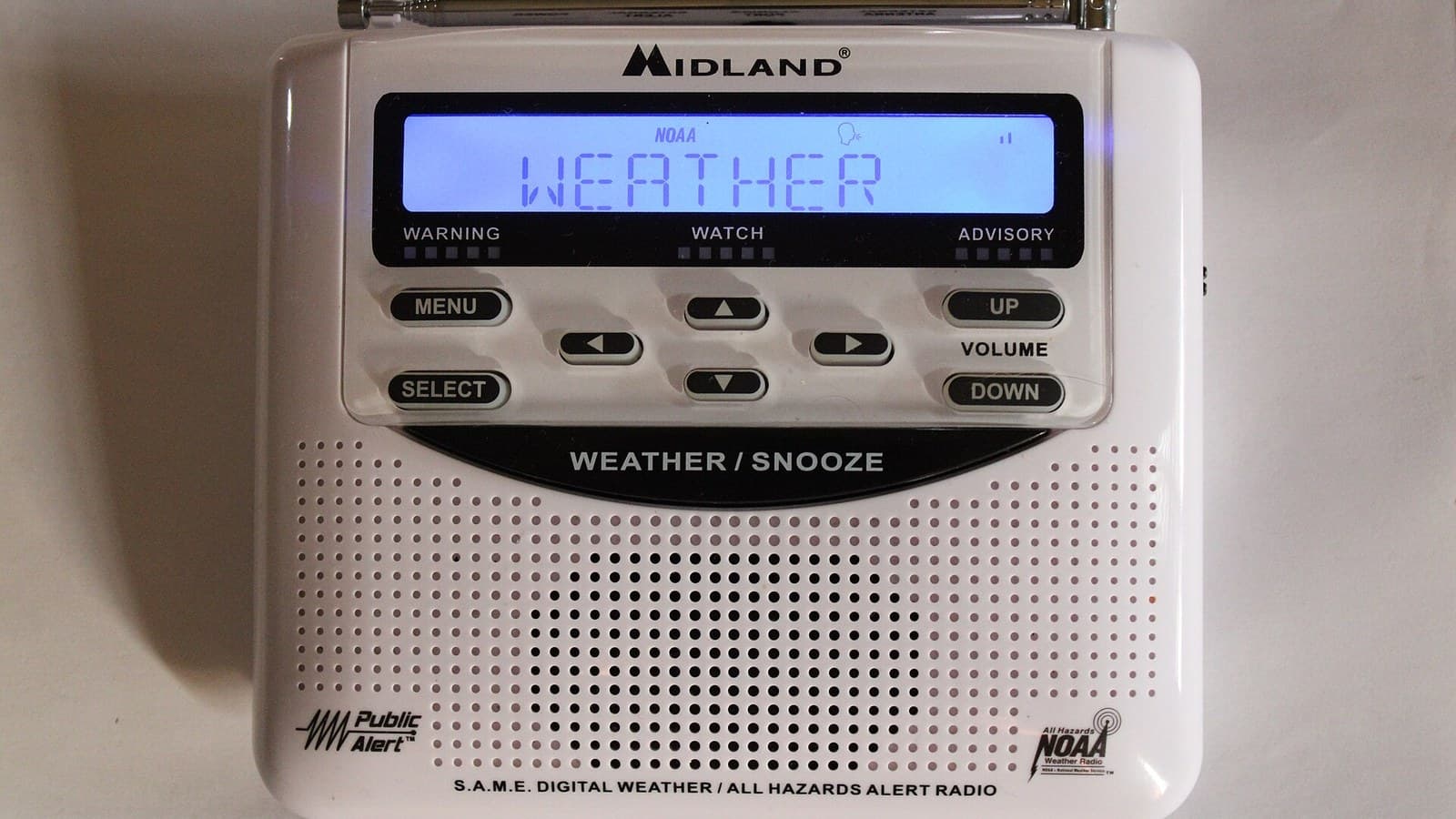
- Sign up for your community's warning system. Ready.gov says the Emergency Alert System and NOAA Weather Radio also carry alerts.
- If your town has sirens, learn what the warning tone sounds like.
- Know the signs of a tornado that Ready.gov lists: a rotating, funnel-shaped cloud, an approaching cloud of debris, or a loud roar like a freight train.
Step 2: Your Shelter Spot and Go-Time Rules
Ready.gov says the best protection is a safe room built to FEMA criteria or a storm shelter built to ICC 500 standards. The next best is a small, interior, windowless room or basement on the lowest level of a sturdy building. Pick yours today and walk the family to it once.
Write down your go-time rules so nobody has to decide in the moment:
- Tornado warning: everyone goes to the shelter spot right away. Stay away from windows, doors and outside walls. Use your arms to protect your head and neck.
- Flood warning: Ready.gov says to find safe shelter right away, and depending on the flooding, to evacuate if told, move to higher ground or a higher floor, or stay where you are.
- Thunderstorm: when thunder roars, go indoors, into a building or a car with a roof. Avoid electronics plugged into the wall and running water.
- If you cannot stay at home, know where the nearest public shelter is.
Pets come too. Write down who grabs which pet, and where the leashes and carriers live.
Step 3: Before, During and After
Before the Season
- ☐ Signed up for local alerts; weather radio has fresh batteries
- ☐ Shelter spot chosen and practiced
- ☐ Trees that could fall on the house trimmed or cut
- ☐ Supplies for a long stay at home: water, food that needs no cooking, medications, cleaning supplies
- ☐ Flashlights or headlamps in the shelter spot
- ☐ Insurance checked (see Step 4)
- ☐ Photos of the house and belongings taken and saved off the phone
Ready.gov's tornado page says to prepare for a long stay at home by gathering emergency supplies, cleaning supplies, non-perishable food, water, medical supplies and medication. Our 72-Hour Emergency Food Supply guide and Water Filter Chooser cover the food and water side.
During
- Listen to local weather reports and officials, and follow their instructions.
- Turn around, don't drown. Ready.gov says just six inches of moving water can knock you down, and one foot of moving water can sweep your vehicle away. Stay off bridges over fast-moving water.
- Watch out for flying debris.
After
- Wait for officials and forecasts to say it is safe to go outside.
- Watch for fallen power lines and trees, and report them right away.
- If the power is out, our Power Outage Family Plan picks up from here.
Step 4: Insurance and Your Photo Inventory
This part is easy to skip, and it is what you will need when you file a claim.
- Ready.gov says homeowner's insurance policies do not cover flooding, and that a flood policy typically takes up to 30 days to go into effect. The time to buy is well before the storm. Flood coverage is available through the National Flood Insurance Program.
- Write down your policy numbers, your agent's phone number and the claims line. The printable has a box for each.
- Walk through the house with your phone and take photos or a video of every room, closets open. Save a copy somewhere other than the phone.
- Keep the important papers together, in one bag you can grab.
Step 5: Buy These Before the Season
One or two picks per item, no more. Paid links are marked. We may earn a commission at no extra cost to you. More picks live on our light and communications gear page.
Alerts When the Power and Cell Service Are Down
Midland ER310 (paid link). A NOAA weather radio with a rechargeable battery you can top up by hand crank or solar, with a flashlight built in. Honest downside: it is a radio and a light, not a power station.
Light in the Shelter Spot
Black Diamond Spot 400 Headlamp (paid link). Keep one in the shelter spot for each adult. Hands free matters when you are holding a child or a pet. Honest downside: more light than you need for a bedside backup.
Papers You Grab on the Way Out
SentrySafe Fire and Water Resistant Portable Bag (FBWLZ0) (paid link). Birth certificates, deeds, insurance papers and backups in one grab-and-go bag. Honest downside: it is resistant, not fireproof or waterproof, and it will not stop a thief. Keep copies somewhere else too.
First Aid
IFAK Trauma Kit (Rhino Rescue) (paid link). A trauma-focused kit for the injuries a regular first-aid box isn't built for. Honest downside: it is not a substitute for training. Pair it with a class before you need it.
Power After the Storm
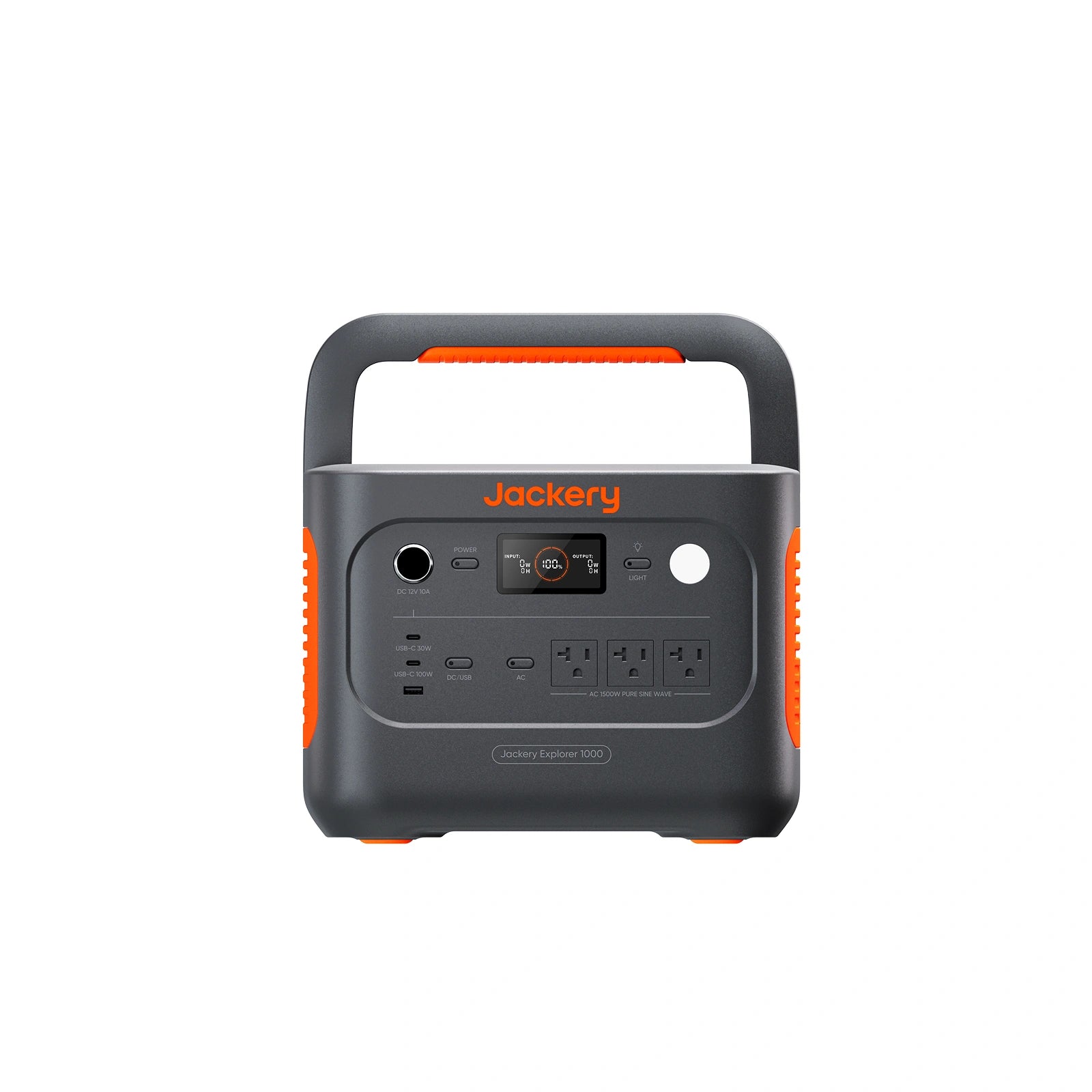
Jackery Explorer 1000 v2 (paid link) holds 1,070 watt-hours and puts out up to 1,500 watts. EcoFlow DELTA 3 Classic (1024Wh) (paid link) holds 1,024 watt-hours. Size yours with the sheet in our Power Outage Family Plan.
Get the Printable Plan
The free printable has every worksheet from this page with lines to write on: your alerts and shelter spot, the go-time rules, the before-the-season checklist, and the insurance and photo inventory sheet. Print it and keep it in the shelter spot. See all of our free printable guides.
Where This Advice Comes From
- Ready.gov: Tornadoes
- Ready.gov: Floods
- Ready.gov: Thunderstorms and Lightning
- Product details: each maker's own pages, as on our gear and deals pages
Last checked against these sources: October 11, 2026.
Your free printable plan
4 pages with lines to write on. No store links and no prices inside.
Every pick above also sits with our other communications picks.
See all Communications picks on the Deals page →