
Winter Storm and Ice-Outage Plan: Home and Car
Plan for an ice storm before it hits: the alert words, a warm room, carbon monoxide rules, a car kit, what to do if you get stuck, and who to check on.
By Randall R. Russell, USMC Veteran
Health note: This is general information, not medical advice. Follow product labels and your doctor or pharmacist.
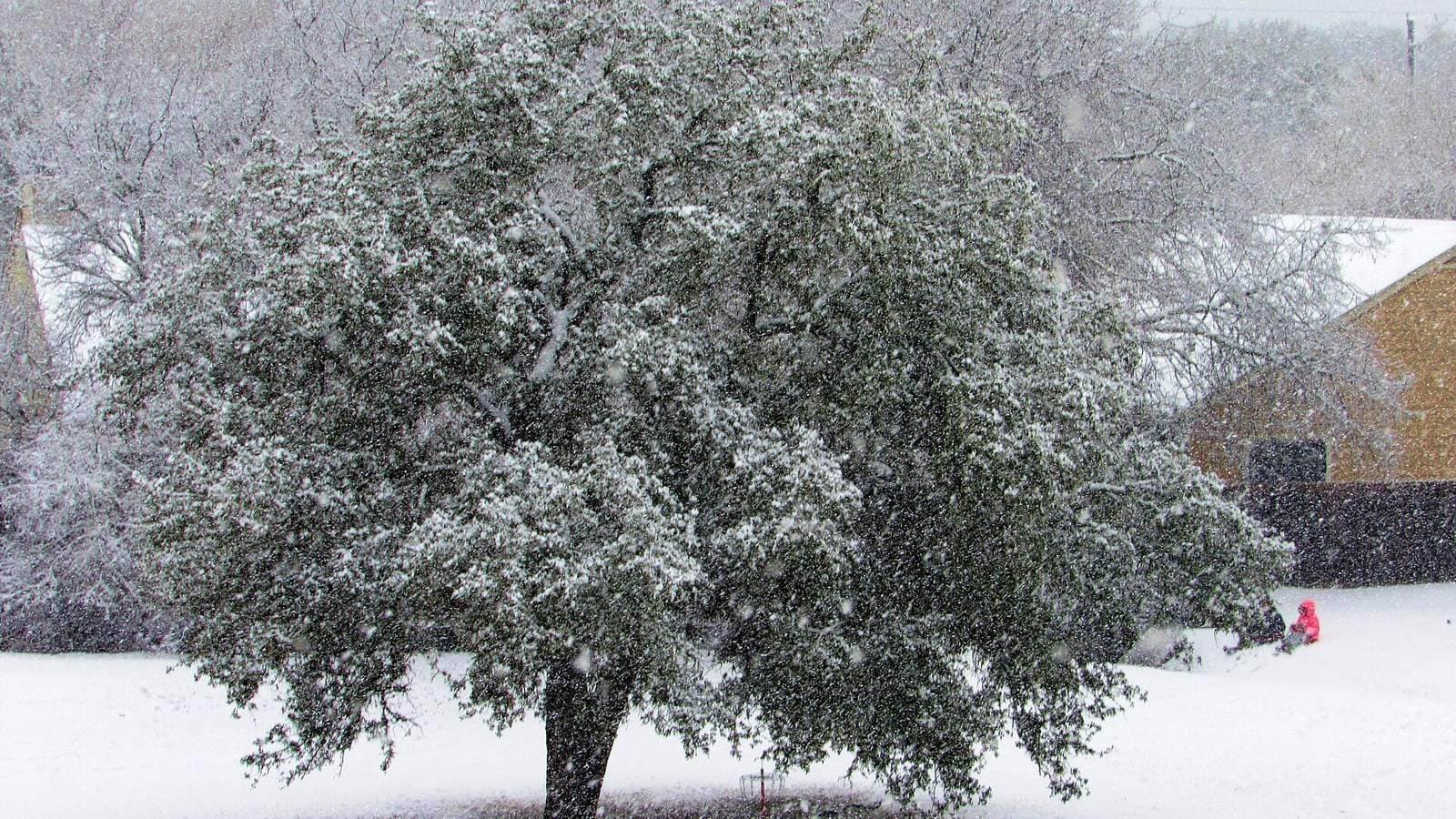
Ice storms do not ask whether you are ready. Ready.gov says a winter storm can last a few hours or several days, and it can cut off heat, power and communication services. The time to write the plan is now, while the house is warm and the roads are dry.
This page walks you through it: the alert words, a warm room, what to keep on hand, the car, and the people on your street. The free printable at the bottom has every worksheet with lines to write on.
Step 1: Know the Alert Words
Ready.gov uses three terms. Tape them by the radio.
- Winter Storm Watch: a blizzard, heavy snow, heavy freezing rain or heavy sleet is possible. Usually issued 12 to 48 hours before the storm.
- Winter Storm Warning: heavy snow, heavy freezing rain or heavy sleet is happening or about to. Usually issued 12 to 24 hours before. Ready.gov says to find shelter right away.
- Winter Weather Advisory: snow, freezing rain, freezing drizzle or sleet that will cause significant inconvenience and could become life-threatening if caution is not used.
Sign up for your community's alerts, and keep a weather radio with fresh batteries. A NOAA weather radio picks up broadcasts directly, so it does not depend on the cell network.
Step 2: Your Warm Room and Heat Plan
If your heat goes out, the National Weather Service says to close off rooms you do not need, stuff towels or rags in the cracks under doors, and close the blinds or curtains to keep heat in. It also says to eat and drink, because food gives your body energy to make its own heat.
Pick the room now. Small is better. A door that closes is better still. Decide where everyone sleeps, which rooms you will close off, and what your heat source is if the power fails. Write down your electric company's outage number, the gas company's number, and your nearest warming center.
Carbon Monoxide: Read This Before Anything Else
- Ready.gov says to use generators and grills only outdoors and away from windows, and never to heat your home with a gas stovetop or oven.
- Put a battery-backup carbon monoxide alarm on every level of the house. Test it.
- If the alarm sounds or anyone feels sick, get everyone to fresh air and call 911.
- Never plug a generator into a wall outlet. Only an electrician should install a transfer switch.
The full outage side of this, including how long the fridge and freezer keep food safe, is in our Power Outage Family Plan. Do that one too. Ice storms often knock out power in the cold.
Step 3: Warmth, Light and Power on Hand
Ready.gov says to gather supplies in case you need to stay home for several days without power, to keep each person's needs in mind, including medication and pets, and to have extra batteries for radios and flashlights.
- ☐ Blankets and sleeping bags for every person
- ☐ Warm clothes in layers
- ☐ Flashlights or headlamps, one per person, plus extra batteries
- ☐ Weather radio
- ☐ Power banks for phones, charged
- ☐ Food that needs no cooking, and water
- ☐ Medication and pet supplies for several days
- ☐ Carbon monoxide and smoke alarms tested
Not sure how much food? Our 72-Hour Emergency Food Supply guide covers the first three days.
Step 4: The Car
The best winter drive is the one you skip. If you have to go, Ready.gov says to keep a full tank of gas and a kit in the car: jumper cables, sand, a flashlight, warm clothes, blankets, bottled water and non-perishable snacks. Tell someone where you are going and when you expect to get there.
If Your Car Gets Stuck
The National Weather Service is plain about this:
- Stay in the vehicle. If you leave it, you can get lost fast in blowing snow and cold.
- Run the motor about 10 minutes each hour for heat. While it runs, crack a window for fresh air and keep snow cleared from the exhaust pipe, so carbon monoxide does not build up.
- Be easy to find. Turn on the dome light at night while the engine runs. Tie a bright cloth, red if you have it, to the antenna or door. Once the snow stops, raise the hood.
Step 5: Neighbors, Pets and the Cold Itself
Ready.gov says winter storms put older adults, children, sick people and pets at greater risk. Write down two or three people on your street or in your family who may need a knock on the door: heat, food, a ride, a medicine pickup. Then go knock.
Bring pets inside. Get livestock to shelter with feed and water they can reach.
Gear for This Plan
One or two picks per item, no more. Paid links are marked. We may earn a commission at no extra cost to you. More picks live on our light and communications gear page.
News and Weather
Midland ER310 (paid link). A NOAA weather radio with a rechargeable battery and a hand crank, with a flashlight built in. Its small solar panel only stretches a full charge; Midland says it will not recharge a dead battery. Honest downside: it is a radio and a light, not a power station.
Light for Every Person
Black Diamond Astro 300 Headlamp (paid link). One in every bedroom and one in the glovebox. Hands free matters when you are scraping a windshield in the dark.
Phone Power, Home and Car
Anker Nano Power Bank 10,000 mAh 30W (paid link). Keeps a phone alive, cable built in. Honest downside: sized for phones and small devices. Charge it before the storm, and keep a car charger too.
For the Car Kit
SOL Emergency Bivvy XL with Rescue Whistle (paid link). A compact emergency bivvy that lives in the car kit with the blankets. Honest downside: it is an emergency layer, not a sleeping bag. Pack real blankets too.
Backup Power Station
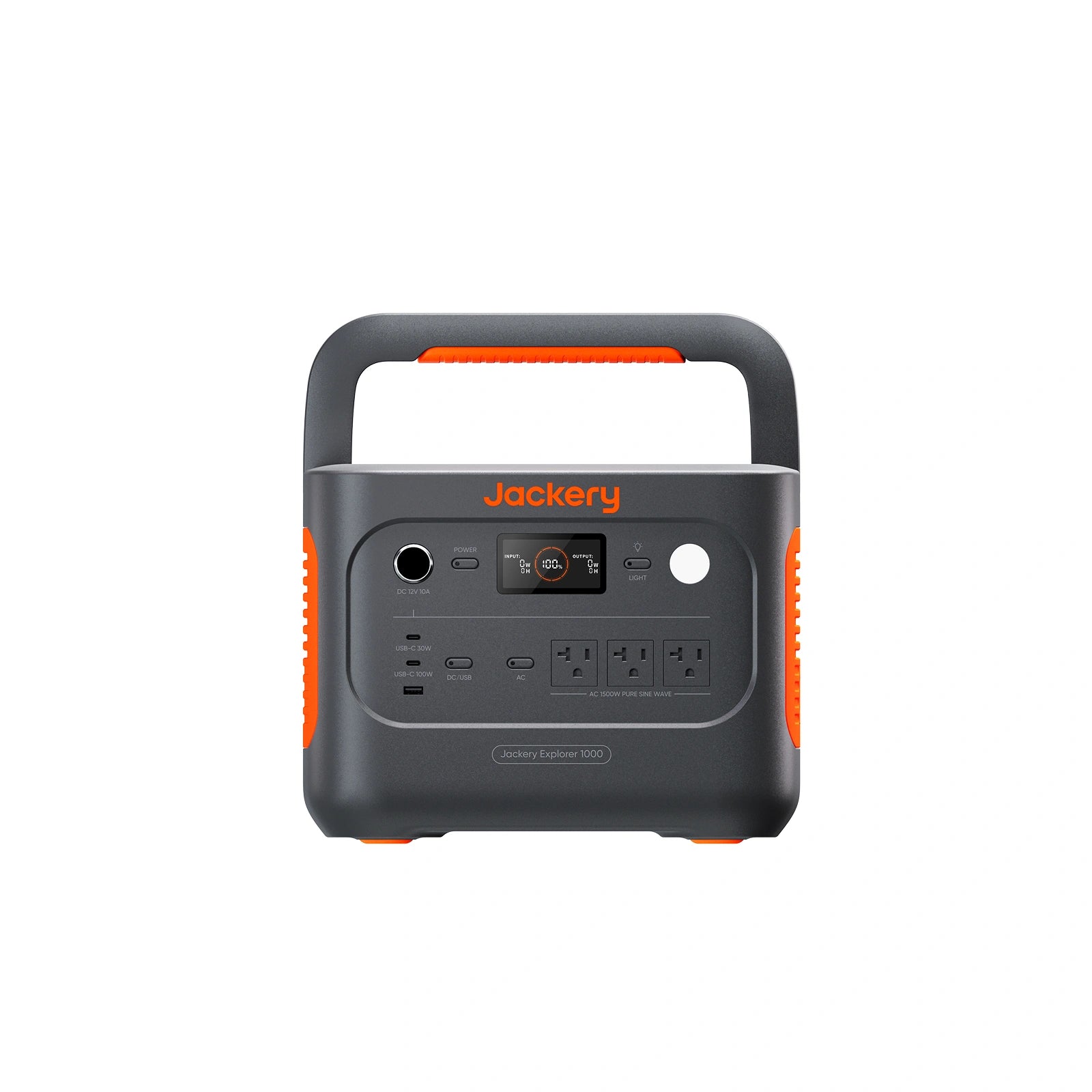
Jackery Explorer 1000 v2 (paid link) holds 1,070 watt-hours and puts out up to 1,500 watts. EcoFlow DELTA 3 Classic (1024Wh) (paid link) holds 1,024 watt-hours. Before you count on either one for anything, check that device's draw against the station's spec sheet. A furnace is hardwired: only an electrician should connect one to backup power. Neither one replaces the carbon monoxide rules above. Size yours with the sheet in our Power Outage Family Plan, and see the full comparison in our Family-Scale Backup Power guide.
Still on the List, No Pick Yet
Jumper cables, an ice scraper, a small shovel and a bag of sand or cat litter for the car. Buy them from any store you trust. We will add picks once we have ones we are willing to stand behind.
Get the Printable Plan
The free printable has every worksheet from this page with lines to write on: your warm room and heat plan, the warmth and light inventory, the car kit checklist, and the check-on list for your neighbors. Print it, fill it in, and put it on the fridge before the first ice. See all of our free printable guides.
Where This Advice Comes From
- Ready.gov: Winter Weather
- National Weather Service: What To Do If You're Caught in a Winter Storm
- CDC: Carbon Monoxide Poisoning Basics
- Product details: each maker's own pages (Jackery: Explorer 1000 v2 specifications; EcoFlow: DELTA 3 Classic Portable Power Station (1024Wh); Midland: ER310 Emergency Weather Radio)
Last checked against these sources: October 11, 2026.
Your free printable plan
5 pages with lines to write on. No store links and no prices inside.
Every pick above also sits with our other backup power & solar picks.
See all Backup Power & Solar picks on the Deals page →